
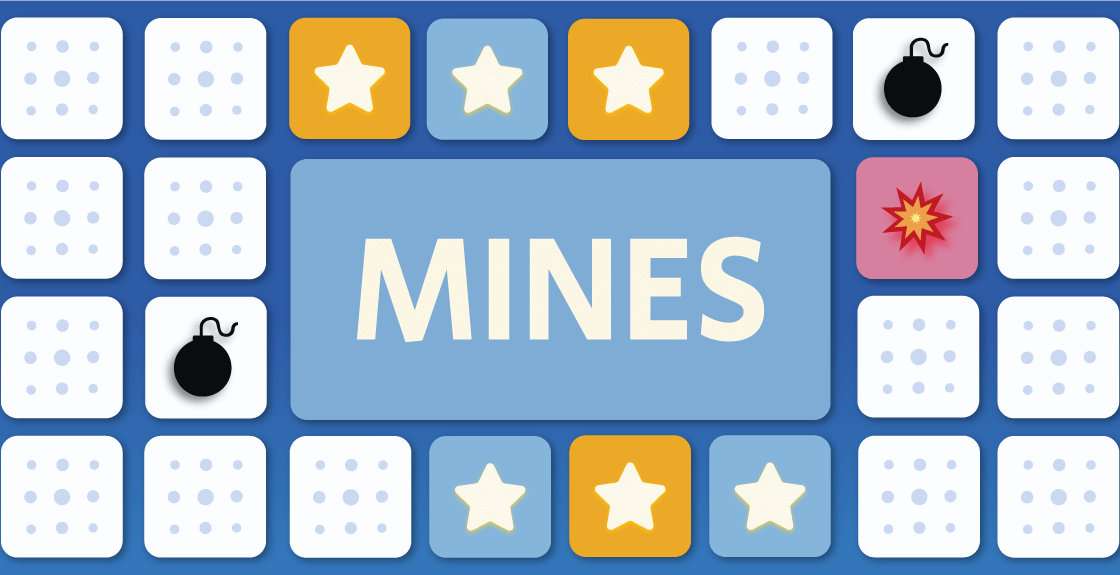
Gaming and mental wellness are converging more than ever, particularly in high-stakes strategy games https://turbomines.eu.com/. Turbo Mines, with its focus on risk and pattern forecasting, asks players for keen attention, calm nerves, and clarity of mind. Many who play the game seriously now employ systematic mindfulness practices to perform better. The aim isn’t to win every round. It’s to create a mental state where intelligent moves can happen, free from panic or impulsive recklessness.
The Intellectual Requirements of Tactical Play
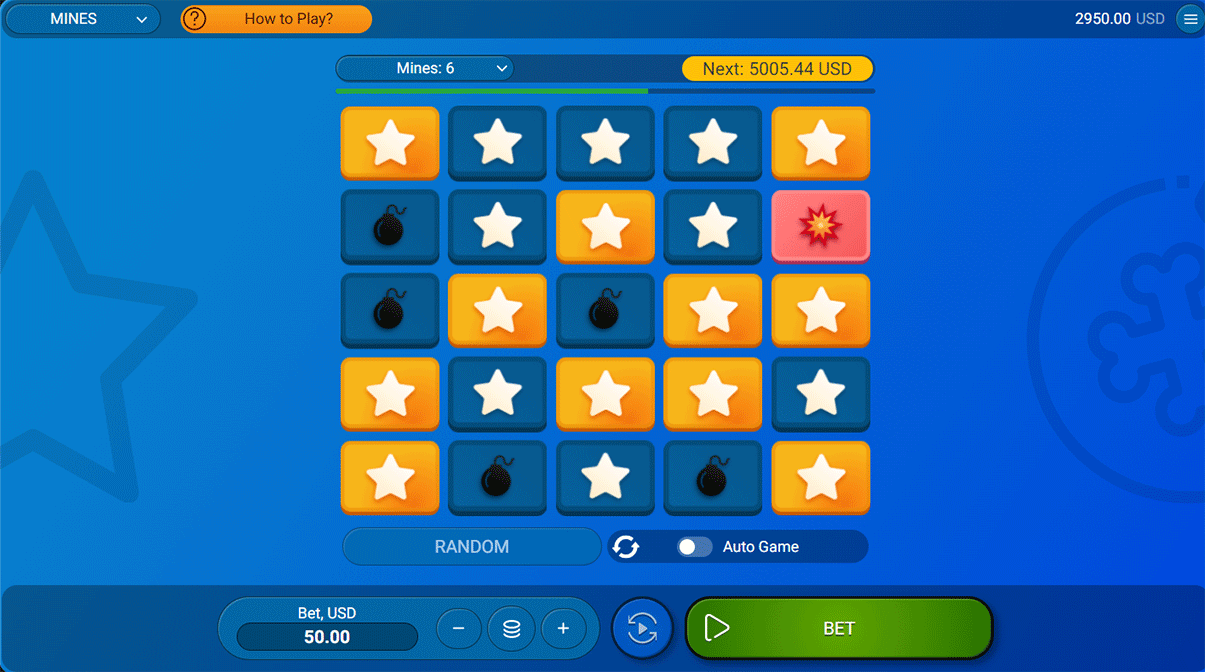
Why does mindfulness belong here? Start by considering what Turbo Mines demands from your brain. Each round shows a grid hiding multipliers and mines. You tap to expose multipliers and build a cashout value, but hitting a mine returns everything to zero. You’re stuck in a loop of assessing risk, figuring odds, and balancing rewards. The pressure intensifies with each safe click, because the increasing potential loss becomes greater. This stress can trigger cognitive traps like loss aversion or the gambler’s fallacy. It can saturate your system with stress hormones, prompting decisions based on hope or fear in place of the numbers on the screen.
Developing Non-Attachment to Consequences
Perhaps the most challenging mindfulness skill for gambling games and skill is letting go. This does not indicate you quit. It involves you deliberately surrender the grip to a single outcome. In Turbo Mines, every tap is its own event. What lies beneath is a mystery until the tile flips. Mindfulness teaches players to direct their attention into the decision process itself—examining the board, calculating the odds—while acknowledging the outcome is beyond their control. This approach cuts down on “tilt,” that furious state following a loss that causes reckless play. It also stops a fortunate win from growing into dangerous overconfidence.
In-play Approaches for Mental Regulation
Emotional waves are part of the game. Mindfulness gives you an anchor when they hit. Employ the “one-breath reset.” Following a significant event—a massive multiplier or a destructive bomb—take a single full, slow puff prior to doing anything else. That quick stop breaks the chain reaction of sheer emotion. One more useful approach is “noting.” Quietly tag the sensation as it pops up: “annoyance,” “thrill,” “greed.” Just identifying it creates distance. It lets you see the state without being forced to act on it. Afterward you can come back to the game from a calmer place.
Exploring Attentiveness inside a Gaming Context
For a strategic gamer, mindfulness is beyond mere relaxation. This is the cultivated habit of watching your own thoughts, sensations, and physical reactions continuously, non-judgmentally. In Turbo Mines, that means noticing the temptation to click again after a substantial victory with similar calm focus you’d give to the sinking feeling after a loss. It aids in self-reflection. The brief moment it creates between stimulus and response is crucial. Your planned strategy, not a rash feeling, dictates your subsequent move.
Before the Session Grounding and Goal Setting
A attentive session starts prior to you even launch the game. A short, straightforward routine draws your mind apart from day-to-day clutter and to a state of alert focus. Players often begin by defining a objective, process-oriented intention. An example like “I’ll pay attention to when I feel risk-averse today” works. Skip outcome-based goals like “I have to win 50 pounds.” Next, a brief grounding exercise helps. Try controlled breathing or a swift scan of your body from head to toe. This settles your nervous system, dials down background anxiety, and readies your brain for the powerful concentration ahead.
- Find a calm spot and sit relaxed for two to three minutes.
- Set a timer and pay attention solely to the in-and-out of your breath.
- If your mind strays to the game or your to-do list, gently guide it back to your breathing.
- Finally, declare your defined, process-focused intention for the gameplay ahead.
After-Session Review and Examination
Mindfulness doesn’t end when you close the game. A structured review converts your experience into actual insight. Rather than just examining your final balance, look at how tracxn.com you performed. Consider questions. When did I experience most hasty? Did I adhere to my established loss limit or profit goal? What did pressure feel like in my body? This type of analytical, non-blaming review turns every session into valuable data. You learn about your own patterns, which assists you refine your tactics and strengthen emotional toughness. It turns the process about long-term growth, not just the most recent round’s score.
Incorporating Conscious attention into Extended Gaming
To gain lasting benefit, conscious awareness should become a routine, not just a trick you use every so often. Think of cognitive discipline as a skill that requires consistent training, both in gaming and away from it. Some players keep a diary to link their focus levels with their gameplay results. Other players add 5 minutes of daily mindfulness to boost their overall awareness, that then extends to the gaming table. The final aim is for that mindful break to become a natural part of your decision cycle. Gameplay remains a deliberate choice, never a compulsion. That’s how you cultivate a balanced, lasting connection with the game over the long term.
Applying mindfulness for Turbo Mines offers players a path to achieve clarity of mind and calmness. These methods move the focus from random outcomes to the quality of the decisions you make. By centering yourself before you begin, controlling feelings during play, and reflecting afterward, you build a systematic approach based on consciousness. This aids curb rash actions that hurt your game, and it fosters a more deliberate, calculated way of playing overall.